
If you spend eight or more hours a day in front of a screen, your spine is paying interest on a debt you didn't know you took out. The damage is gradual, painless at first, and almost entirely reversible — but only if you intervene before your forties.
These seven rules are the ones we wish every patient knew on day one of their first desk job. None of them require a gym, a standing desk, or a bigger budget. They take less than 10 minutes a day combined.
Rule 1 — Top of the screen at eye level
When the screen sits too low, your head tilts forward by 15-30 degrees. That tilt loads the cervical spine with the equivalent of 12-27 kilograms of pressure, all day, every day. Stack books or buy a basic monitor riser. Your top browser tab should hit your eyebrow line when you sit straight.
Rule 2 — Elbows at 90 degrees, wrists flat
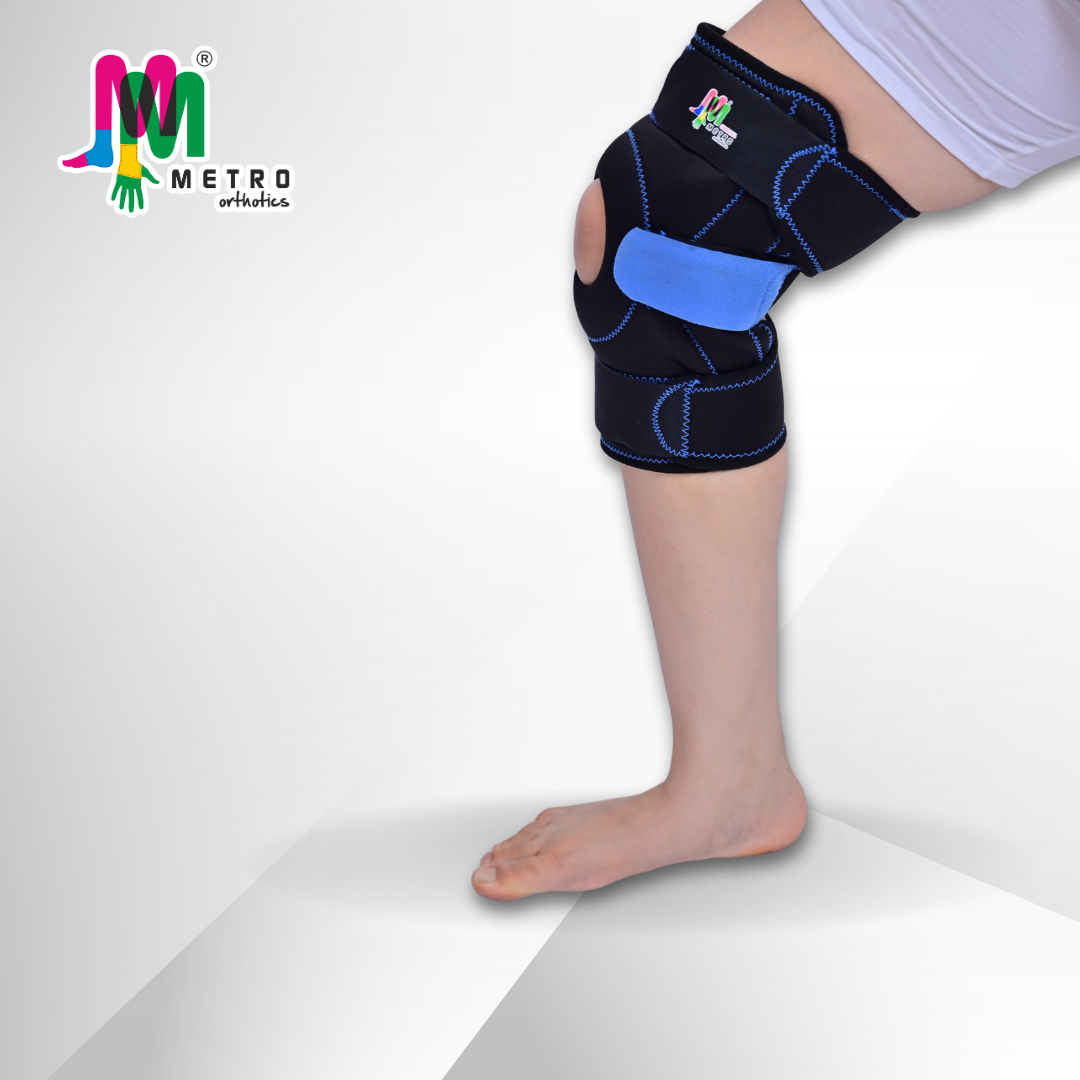
Anything more or less than 90 degrees at the elbow puts uneven load on the forearm flexors. Wrist splints can rescue you after the fact, but the cheaper move is to drop your chair until your elbow forms a clean right angle the moment your hand rests on the keyboard.
Rule 3 — Lumbar curve, not lumbar slump
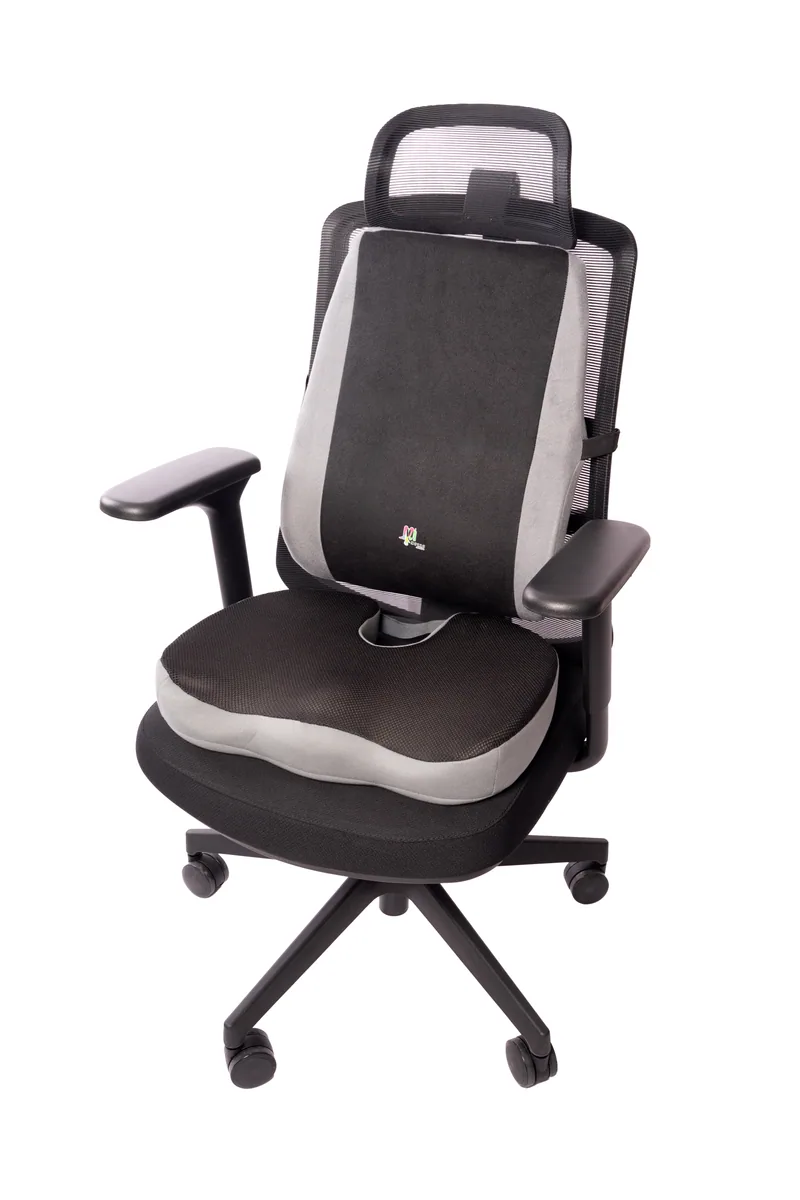
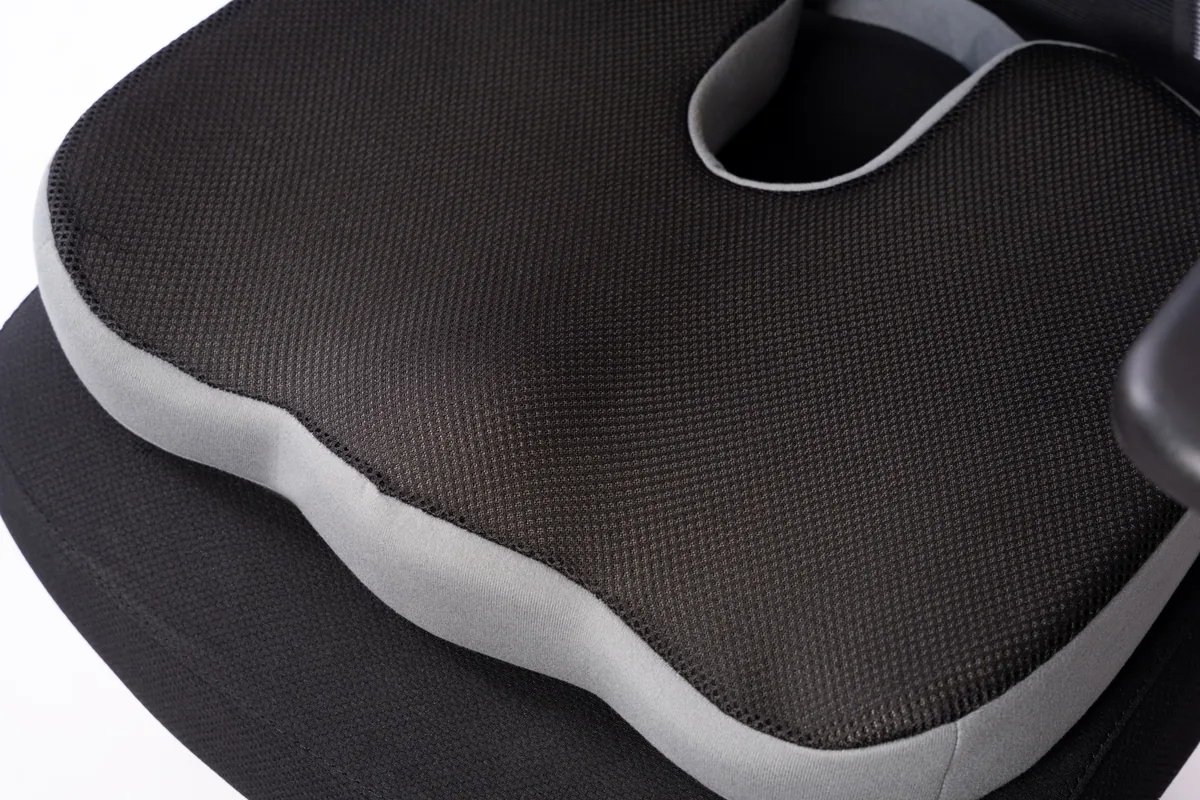
The natural inward curve of your lower back is supposed to be there. When the curve flattens against a chair back, the discs in your lumbar spine get pinched at the front and stretched at the back. A lumbar cushion (any decent one will do) restores the curve passively — you don't have to think about it.
Quick fix
A rolled-up bath towel works as well as any product on the market for the first month. After that, a contoured lumbar back rest will outlast it.
Rule 4 — Feet flat, knees level with hips
Crossed legs, dangling feet, and tucked-under chairs all do the same thing: they tilt your pelvis and rotate your spine. Plant both feet on the floor (or a footrest), keep your knees at the same height as your hips, and you've already cancelled half the load you were taking.
Rule 5 — Move every 30 minutes (not every 2 hours)
Cartilage is like a sponge — it gets its nutrients from movement. Sitting still for 90 minutes starves the discs in your lower back. A 60-second stretch every 30 minutes is more effective than a 30-minute walk at 5 PM. Set a recurring timer.
- 1Stand up and reach overhead
- 2Roll your shoulders back five times
- 3Tuck your chin to your chest, hold for 5 seconds
- 4Sit back down
Rule 6 — Wide-screen, not wide-laptop
A laptop screen forces a brutal trade-off — you can either look down at the display or reach up for the keyboard, never both correctly. If you must use a laptop full-time, plug in an external keyboard and put the laptop on a stand. Your neck will thank you in two days.
Rule 7 — Sleep on a contoured pillow
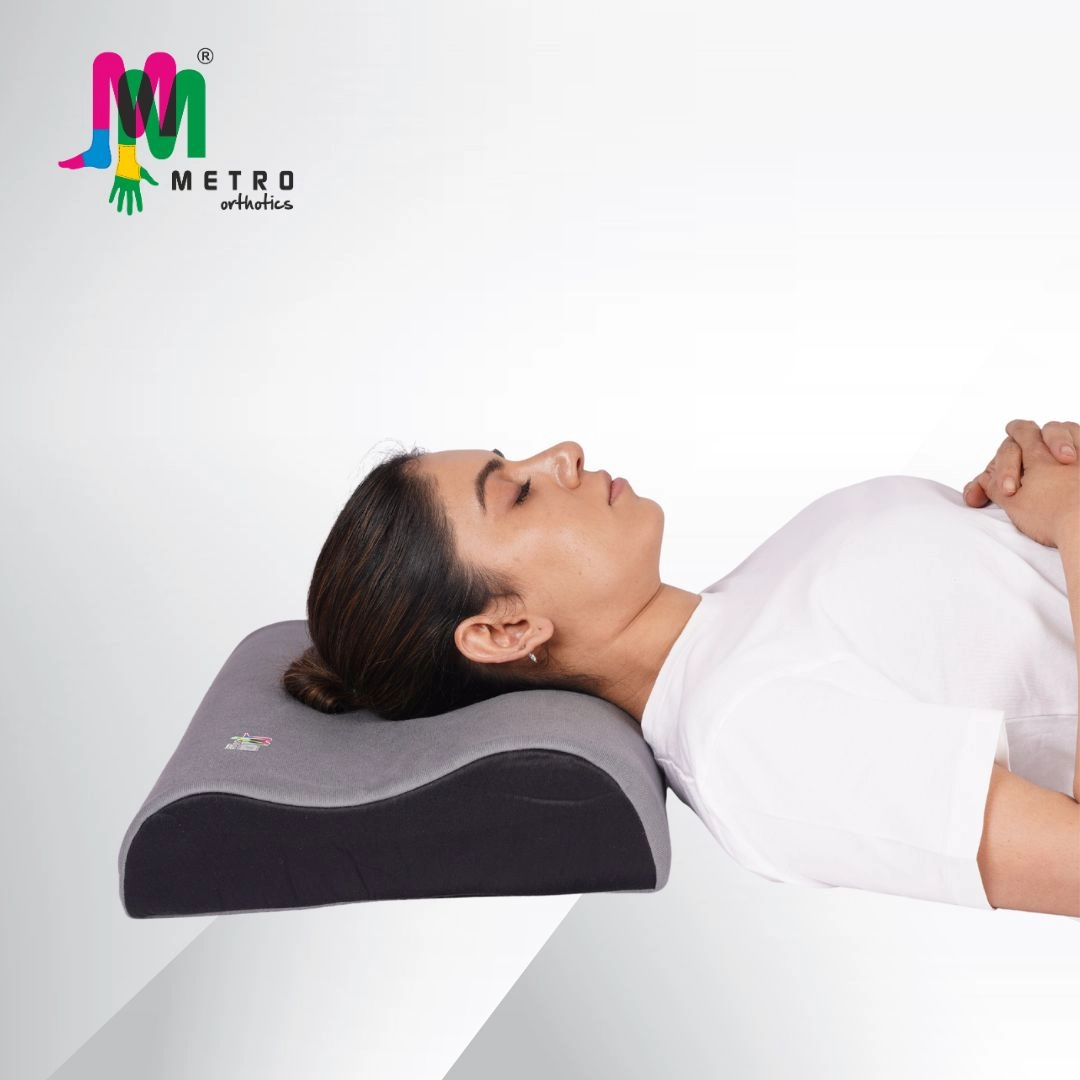
You sleep for a third of your life. The cervical pillow you use overnight either undoes the damage from your workday or compounds it. A contoured cervical pillow keeps your neck in neutral alignment and is the single highest-leverage purchase on this list.
The 80/20 of desk posture
If you only fix two of these seven rules, fix Rule 1 (screen height) and Rule 7 (cervical pillow). Together they cover roughly 80% of office-related neck and upper-back complaints.
How to actually stick with it
Habits don't build from willpower — they build from environment. Set up your desk once, properly, and you don't have to think about it again. Every product we recommend in this article is designed to make the right posture the path of least resistance.
Start with one rule today. Add one more next week. In two months you'll have all seven, and the dull 4 PM ache will be a memory.
Liked this? Get the full Posture Playbook.
A 28-page science-backed guide to sitting, sleeping and moving through a 9-to-5. Built on Harvard Health & Mayo Clinic research.
Get the Free Guide