Bone healing follows a fairly predictable timeline — but the experience of healing rarely matches what people expect. This guide walks through what actually happens, week by week, and what you can do at each stage to make recovery smoother.
Weeks 1-2 — The inflammation phase
A blood clot forms at the fracture site. The area is painful, swollen, and warm to the touch. This is normal. Rest, elevate, and follow your immobilisation instructions exactly. This is not the time to "test" the limb.
Weeks 3-4 — Soft callus formation
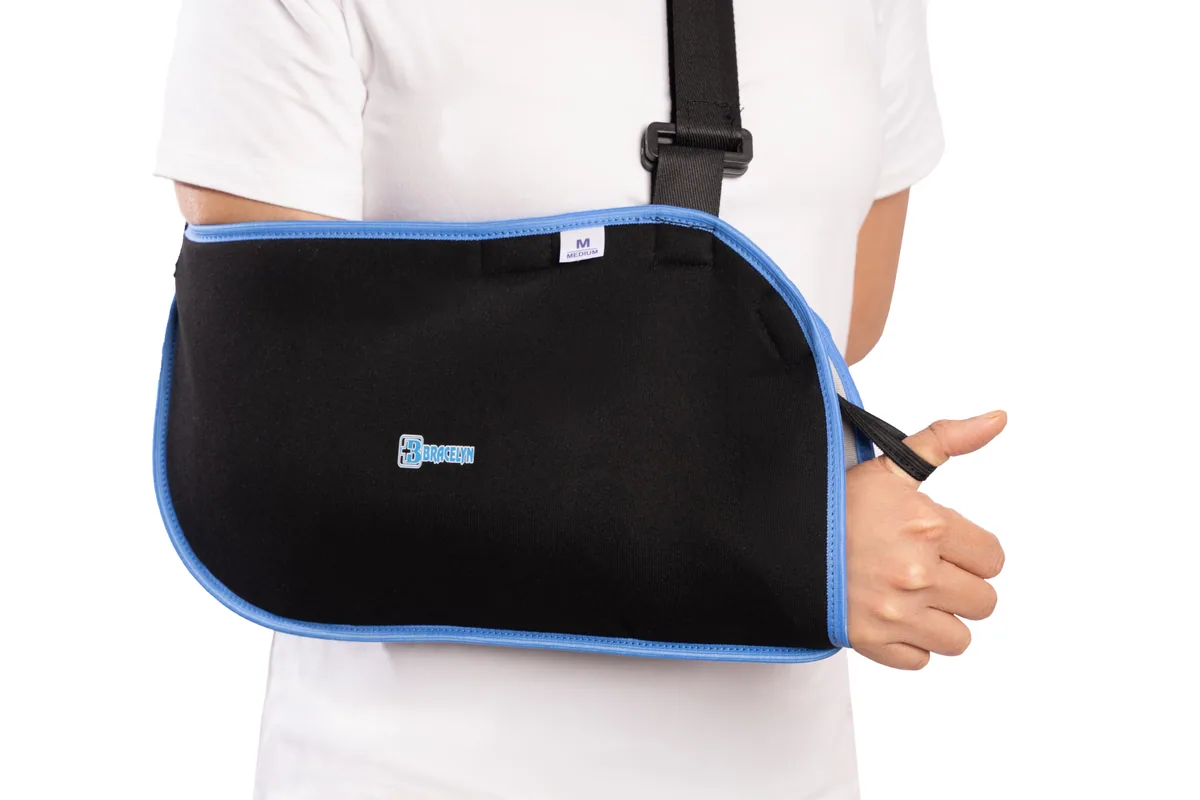
Your body lays down a soft, cartilage-like bridge across the fracture line. The pain starts to subside but the bone is still very fragile. Keep the cast or brace on. Most early failures we see happen in this window from over-confidence.
Weeks 5-8 — Hard callus formation
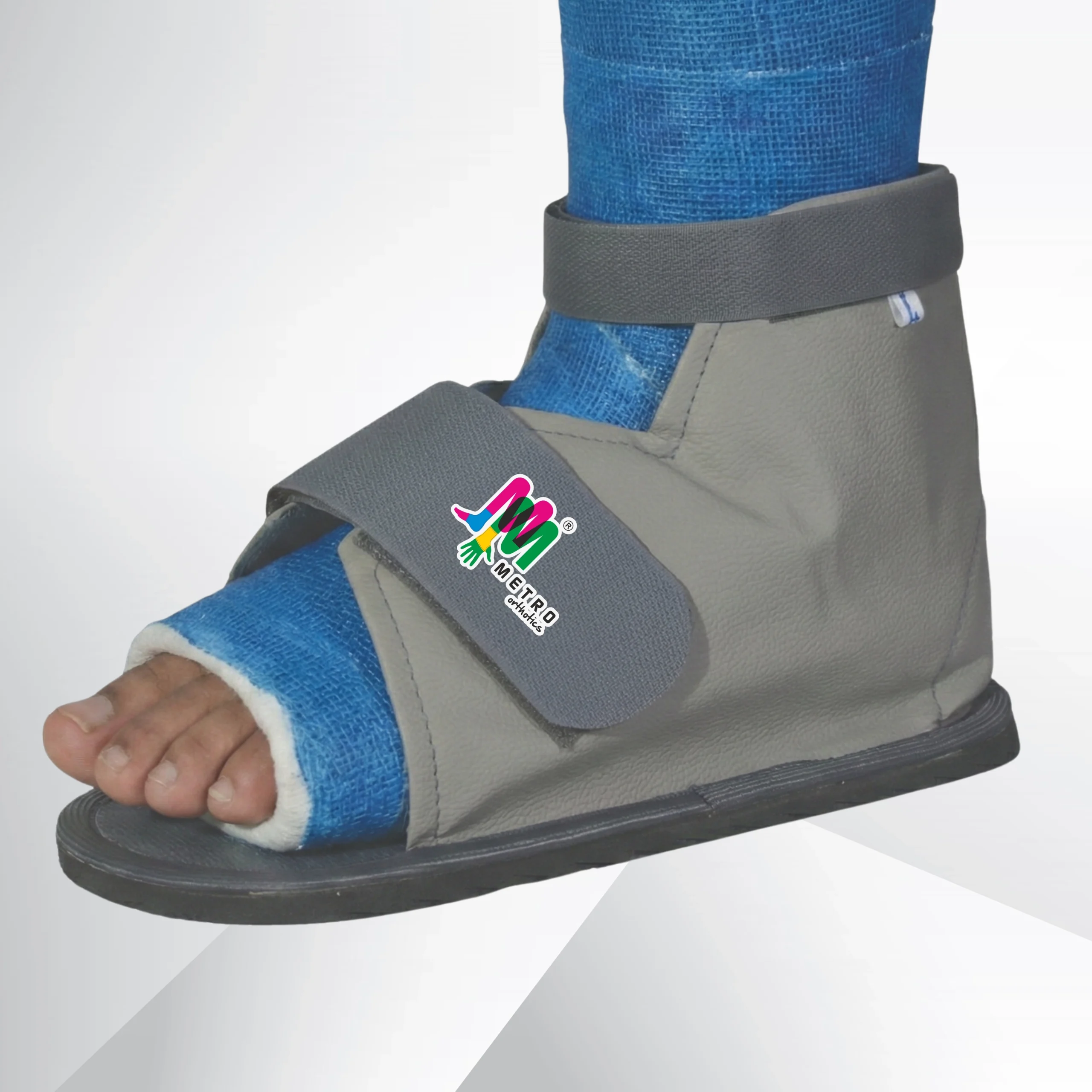
The cartilage bridge calcifies into hard bone. Your doctor may transition you from a cast to a removable brace or walking boot. Range-of-motion exercises usually start here under physiotherapy supervision.
Weeks 9-12 — Remodelling begins
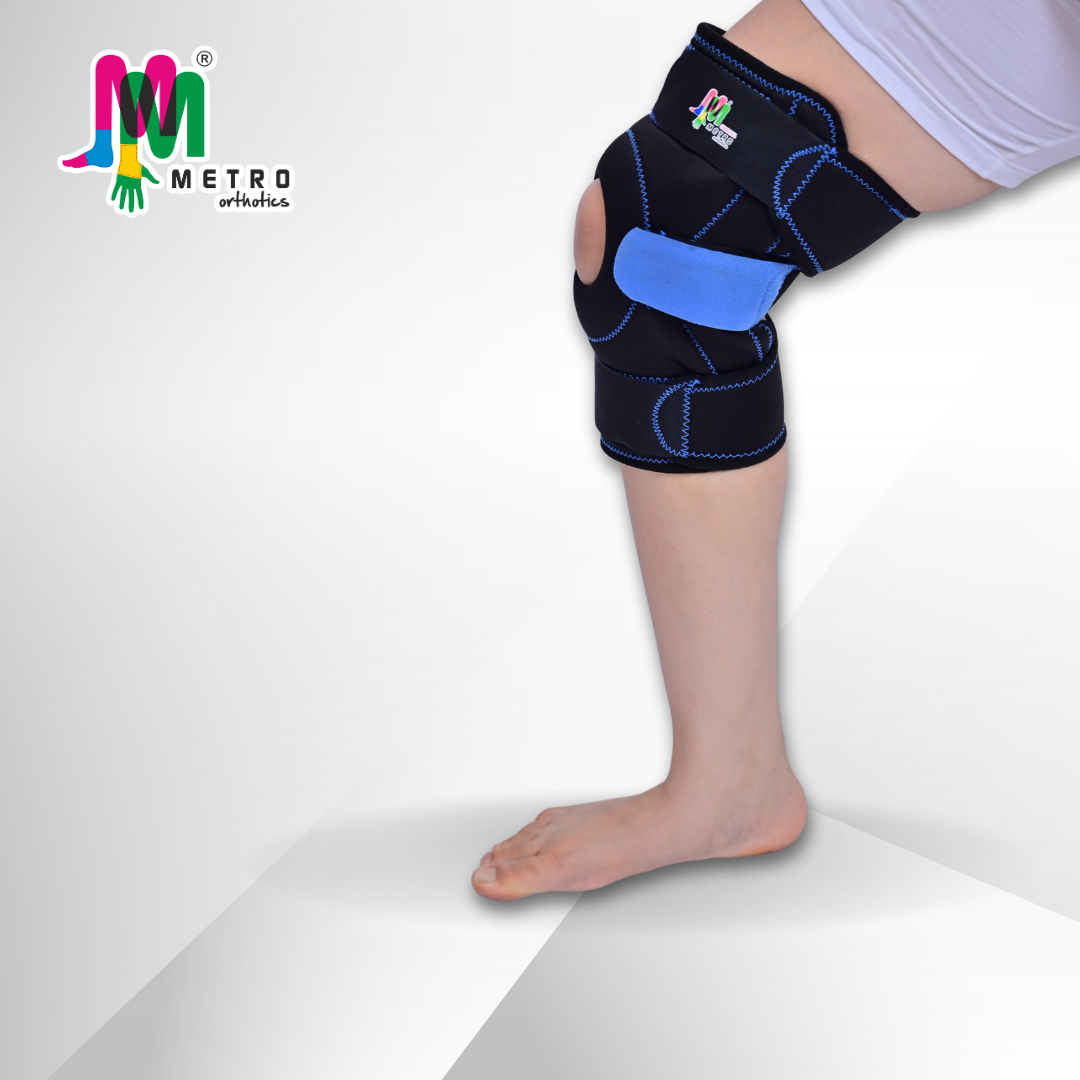
The bone is functionally healed but still being remodelled. You can usually return to most daily activities with the brace as a safety net. Heavy loading and contact sports are still off-limits.
Months 4-6 — Full remodelling
The bone reaches near-normal strength. Most people are cleared for full activity by the end of month 4 for upper-limb fractures and month 6 for lower-limb. Imaging confirms the union is complete.
Healing accelerators that actually work
Adequate calcium and vitamin D, no smoking, no excessive alcohol, and never skipping physiotherapy. Everything else (supplements, magnetic bracelets, etc.) is unproven.
Liked this? Get the full Posture Playbook.
A 28-page science-backed guide to sitting, sleeping and moving through a 9-to-5. Built on Harvard Health & Mayo Clinic research.
Get the Free Guide